Our Impact

Small numbers.
Enormous momentum.

We started with 14 children and one classroom. Every number on this page represents a real child who built something they'd never built before — and discovered they could.

Our pilot in numbers

In just our first cohort, we reached 44 children across 2 schools in Lagos with 8 weeks of hands-on, weekly STEM sessions — achieving a 100% completion rate.

👧
44
Children reached in our After-School pilot
📅
8
Weeks of weekly hands-on sessions
🏫
2
STEM Clubs launched
🎯
10K+
Children targeted by 2030 across Nigeria

Outcomes we observed in our pilot

Increased curiosity Higher class confidence Better questioning skills Teacher engagement Industry exposure Team collaboration Project pride 100% club completion

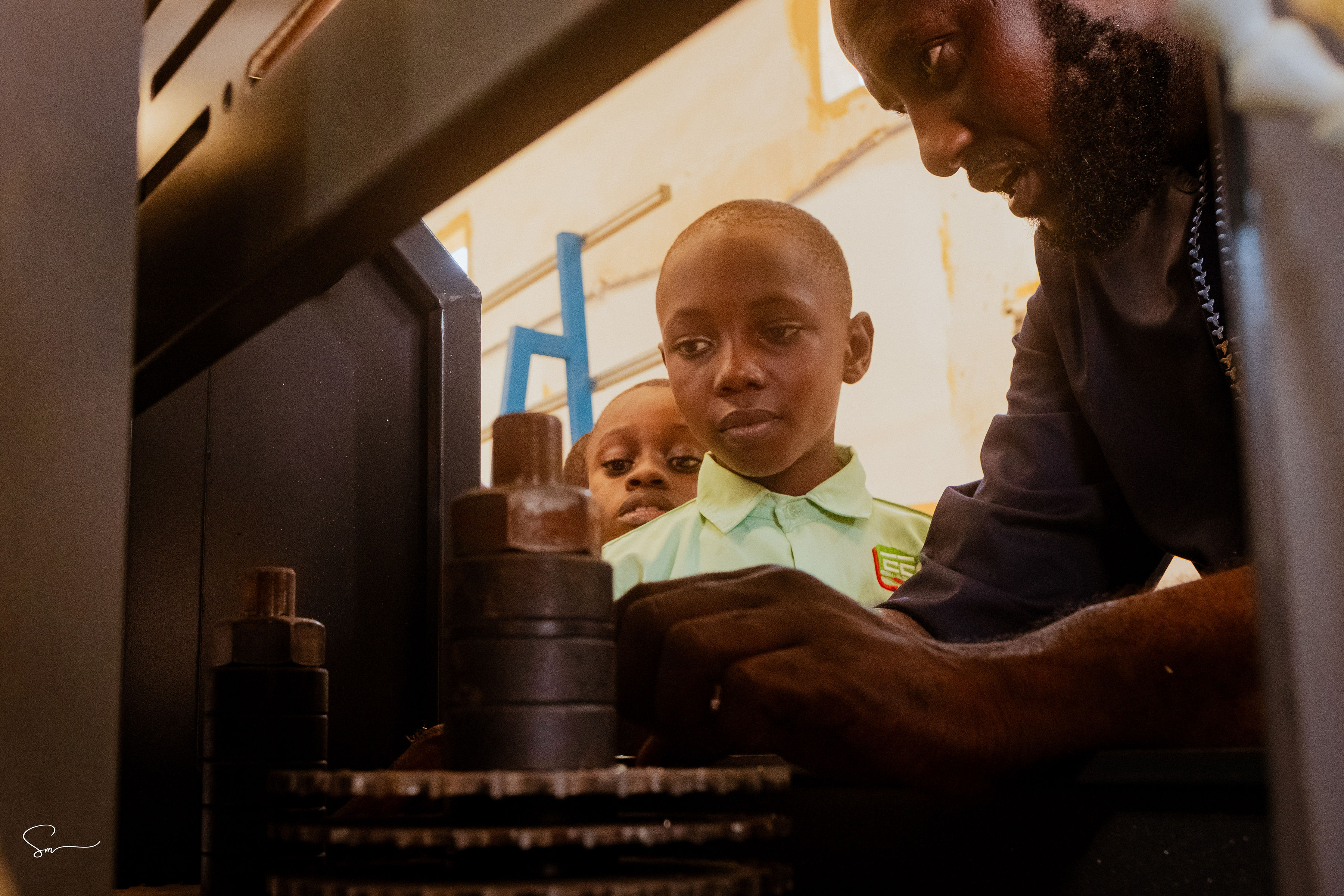
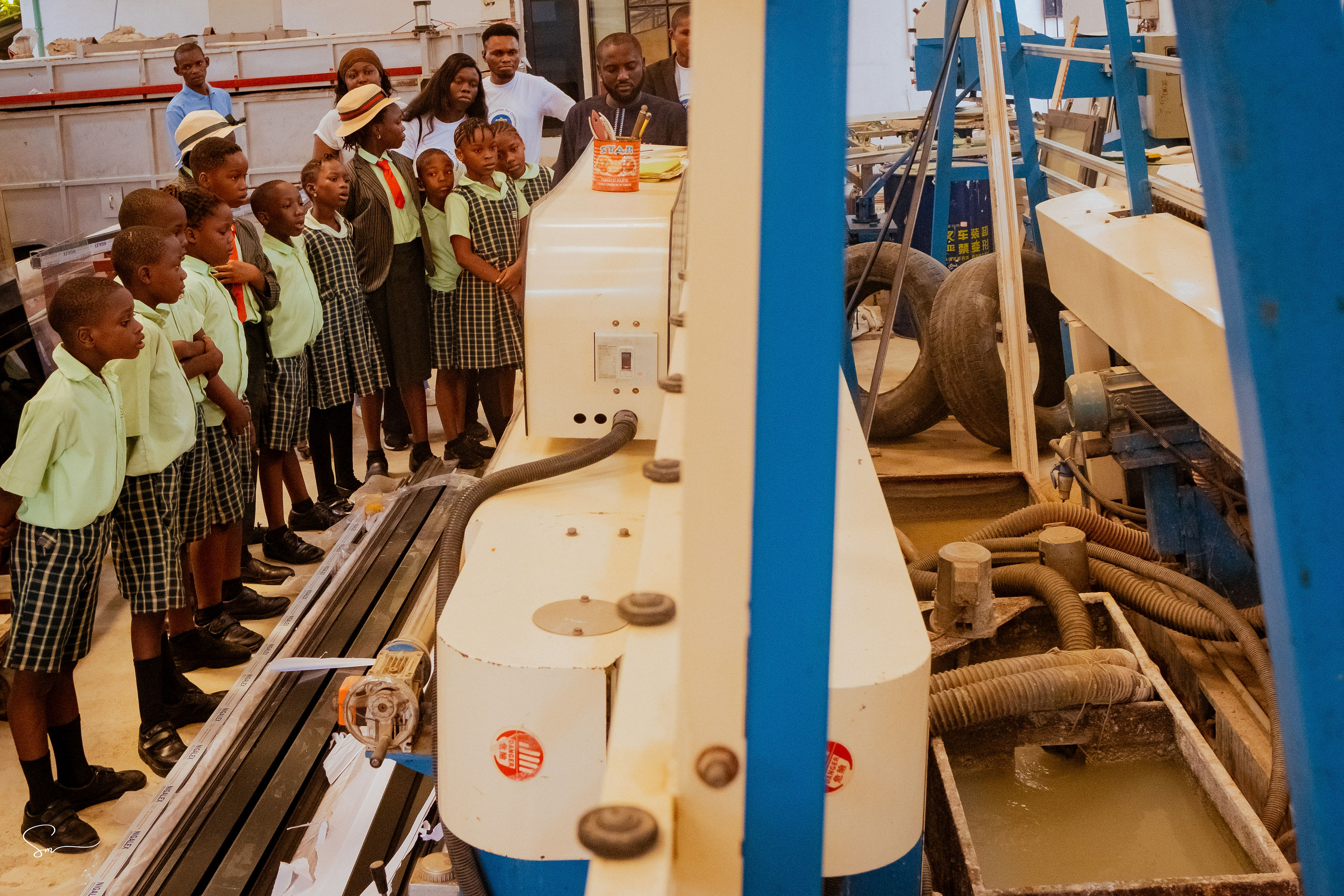
"I want to make something like this one day." — One of our students, aged 9, during our Glass Fusion industry visit. He had never been inside a factory before.

👦
STEM Club Student
Eternal Excellence School, Lagos — 2026

"This is how futures are shaped — through exposure, inspiration, and real-world experiences. Thank you for playing such an important role in guiding them. Their future selves will thank you."

👩
Venture Strategy Consultant
Lagos, Nigeria
5-Year Vision (2025–2030)
10K+
Children
90
Schools
6
Zones

What people say when they see it happen

"

Can we build a house on air? That question — from an 8-year-old pupil during our construction session — stopped the entire room. Then the tutor said: Actually, why not? That's the moment I knew this programme was working.

R
Rahila Namah
Founder, STEM Education for Children Foundation
"

The sessions have been enlightening for the students. I personally gained from the program, particularly the industry visit! I learnt that glasses are made from sand, heated to an extremely high temperature.

👩‍🏫
Head Teacher
Eternal Excellence School, Lagos
<2%
of African students finish school with basic STEM skills
Source: UN OSAA
1 in 4
university students in Africa pursue STEM fields
Source: UN OSAA
60%
of Africa's population is under 25 — the opportunity
Source: AU Commission
79
scientists per million in Africa vs 4,500 in the US
Source: UN OSAA